
How to Maintain a Wood Fence in Texas Heat
Outdoor wooden structures in Texas endure some of the most unforgiving climate conditions in North America. Summer temperatures routinely climb past 100°F, while intense solar radiation bakes horizontal rails and vertical pickets for twelve hours a day. Combined with prolonged drought, sudden thunderstorm downpours, and shifting expansive clay soil, unprotected wood deteriorates at an accelerated rate.
Understanding how to maintain a wood fence in texas heat allows homeowners to protect their investment, preserve vibrant natural wood grain, and avoid expensive structural rebuilds. With a proactive care routine, your fence can remain sturdy, beautiful, and functional year after year.
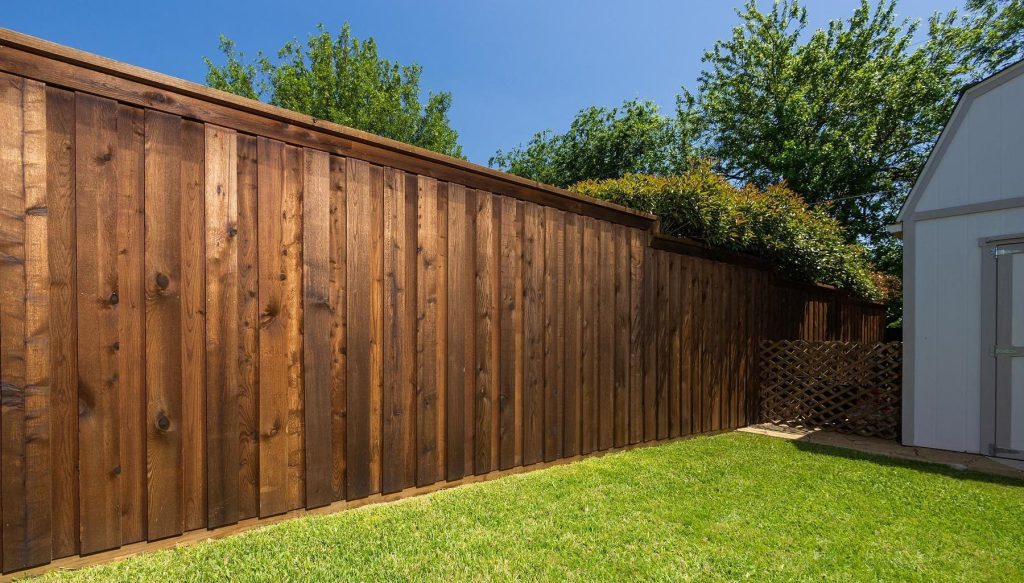
Why the Texas Summer Climate Accelerates Wood Damage
The combination of severe thermal pressure and fluctuating moisture creates a double threat for residential fencing. When bare wood absorbs ultraviolet (UV) radiation, the light breaks down lignin the organic compound that binds wood fibers together. As lignin degrades, cedar and pine lose their natural reddish-gold hue, fading into a dull, weathered gray while developing surface micro-cracks.
Furthermore, heat causes wood to dry out rapidly and contract. When summer rains or sprinkler systems suddenly saturate dry wood, the boards expand quickly. This constant cycle of extreme drying and rapid swelling pulls fasteners loose, causes individual pickets to warp or cup, and weakens gate alignments.
5 Essential Steps to Protect Your Fence from Heat Damage
1. Perform a Thorough Visual and Structural Inspection
Walk your entire property line twice every year ideally in early spring before peak heat hits, and again in autumn. Inspect every panel for warning signs:
- Loose Hardware: Extreme expansion loosens screws, nails, and gate hinges. Tighten loose fasteners promptly to prevent sagging.
- Wobbling or Leaning Posts: Grab fence posts at the top and apply firm pressure. If a post shifts, dry soil may have pulled away from the concrete footing.
- Surface Splinters and Soft Spots: Check lower boards near the ground for signs of rot or insect activity.
Knowing how to maintain a wood fence in texas heat starts with catching minor structural shifts before high winds or thermal stress turn them into total panel failures.
2. Clean the Wood Gently
Dirt, pollen, and airborne road dust accumulate on pickets throughout the spring. When left untreated, this layer traps ambient humidity against the wood grain, creating an ideal breeding ground for surface mold and mildew.
Clean your fence using a mild wood-safe detergent or an oxygen-bleach solution applied with a soft-bristled brush or low-pressure pump sprayer. Avoid high-pressure power washing. Excessive water pressure gouges softer wood fibers, strips the natural surface layer, and drives water deep into the grain where it trapped heat can cause internal rot.
3. Apply a High-Quality UV-Resistant Penetrating Stain
The single most effective defense against sun damage is applying a specialized oil-based stain or sealer containing UV blockers and mildewcides.
- Choose Oil-Based Over Water-Based: Deep-penetrating oil formulas seep into the pores of cedar and pine, displacing moisture and creating a durable hydrophobic shield.
- Opt for Pigmented or Semi-Transparent Stains: Clear sealers lack sufficient pigment to absorb destructive UV rays. Semi-transparent stains allow natural wood grain to shine while shielding fibers from solar bleaching.
- Timing Matters: Apply stains when ambient outdoor temperatures range between 50°F and 85°F in dry, shaded conditions. Staining during 100°F afternoons forces the liquid solvent to evaporate before penetrating the wood, leaving a blotchy, peeling surface film.
Test your protection using the simple water bead test: sprinkle a few drops of water onto a board. If water beads up immediately, your sealer is intact; if it soaks in within seconds, it is time for a fresh coat.
4. Maintain Soil Moisture Along the Fence Line
Texas clay soils shrink and crack significantly during summer droughts. As the ground pulls away from concrete footings, post support weakens, causing fence lines to lean or buckle.
Just as homeowners water their house foundations during hot months, running a soaker hose along your fence line 2 to 3 times per week keeps the soil surrounding concrete footings stable. Consistent soil moisture prevents earth movement that compromises structural alignment.
5. Manage Landscaping and Irrigation Overspray
Vegetation resting against wooden pickets restricts airflow, trapping heat and moisture against the wood surface. Trim back heavy bushes, vines, and tall grass at least 3 to 6 inches away from the fence base.
Additionally, adjust nearby lawn sprinkler heads so they do not spray directly onto the fence. Repeated chemical-rich tap water blasts leave mineral deposits, discolor pickets, and accelerate localized rot along bottom rails.
Comparing Protective Coatings for Texas Heat
| Coating Type | UV Protection Level | Expected Lifespan | Best Application |
| Clear Sealers | Low | 1 Year | Mild climates; not recommended for high-heat Texas sun |
| Semi-Transparent Oil Stain | High | 2–3 Years | Ideal for natural cedar & pine; highlights grain while blocking UV |
| Solid Acrylic Stain | Very High | 3–5 Years | Older wood fences needing full opaque coverage and maximum sun block |
| Exterior Paint | High | 3–4 Years | Not recommended; traps internal moisture and peels under extreme heat |
To learn more about professional grade installation and durable materials designed specifically to endure harsh regional climates, visit Built Texas Tough. For detailed technical resources on wood weatherization and solar degradation, review guidelines from the USDA Forest Service Products Laboratory.

Keep Your Wood Fence Strong Year-Round
Mastering how to maintain a wood fence in texas heat comes down to consistency. By executing annual cleanings, applying UV-blocking oil stains, and keeping soil hydrated around post footings, you protect your outdoor space against the harshest summer weather.
Contact local fencing specialists to evaluate your perimeter, repair damaged panels, and apply professional-grade coatings built to withstand the elements.